Welcome to The Uncharted Past, your gateway to exploring the fascinating and often overlooked corners of history. Our mission is to bring you engaging and insightful content that delves into historical events, figures, and periods with a fresh perspective. We aim to make history accessible and enjoyable for everyone, whether you’re a seasoned history enthusiast or just beginning your journey. Through our in-depth articles, podcasts, thought-provoking analyses, and captivating storytelling, we strive to illuminate the past and connect it to our present.
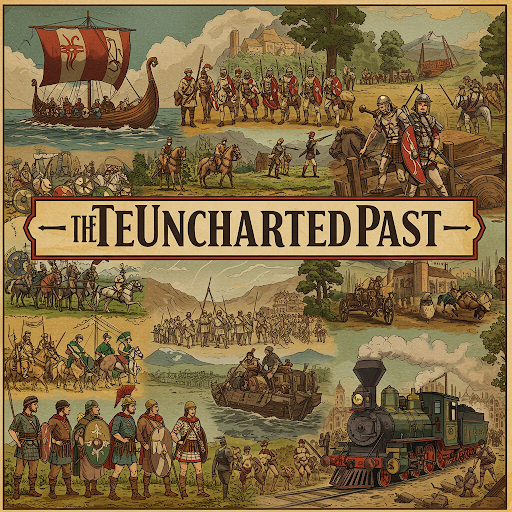
Our Story: Charting the Uncharted Past Since March 2025
Launched in March 2025, TheUnchartedPast was born from a simple yet powerful idea: to create a thriving hub where the boundless world of history is accessible to all. We envisioned a dynamic platform, built by and for history enthusiasts, where captivating stories from every corner of the past could be shared and celebrated.
Our core mission is to empower history buffs, regardless of their background or expertise, to connect with the stories that fascinate them and to contribute their own unique insights. At TheUnchartedPast, you’ll find a rich and ever-growing collection of articles that delve into specific historical events, blog posts offering personal perspectives and analyses, engaging videos that bring the past to life, vibrant forums where passionate discussions unfold, and thought-provoking podcasts that explore a diverse spectrum of historical subjects.
Recognizing the diverse ways people engage with content, TheUnchartedPast extends beyond our website with dedicated communities on TikTok, Instagram, and YouTube, offering engaging and accessible historical content for a wider audience.
Crucially, TheUnchartedPast is a collaborative endeavor. We firmly believe that the most compelling historical narratives often come from unexpected places. That’s why we enthusiastically welcome free blog submissions from anyone with a story to tell, a perspective to share, or a piece of history they’re eager to explore.
Join us as we continue to chart the uncharted territories of the past, uncovering fascinating stories and building a vibrant community of history lovers, together. Welcome to TheUnchartedPast – where the past comes alive, and every voice has a place.
Founder:
Peter Farrelly
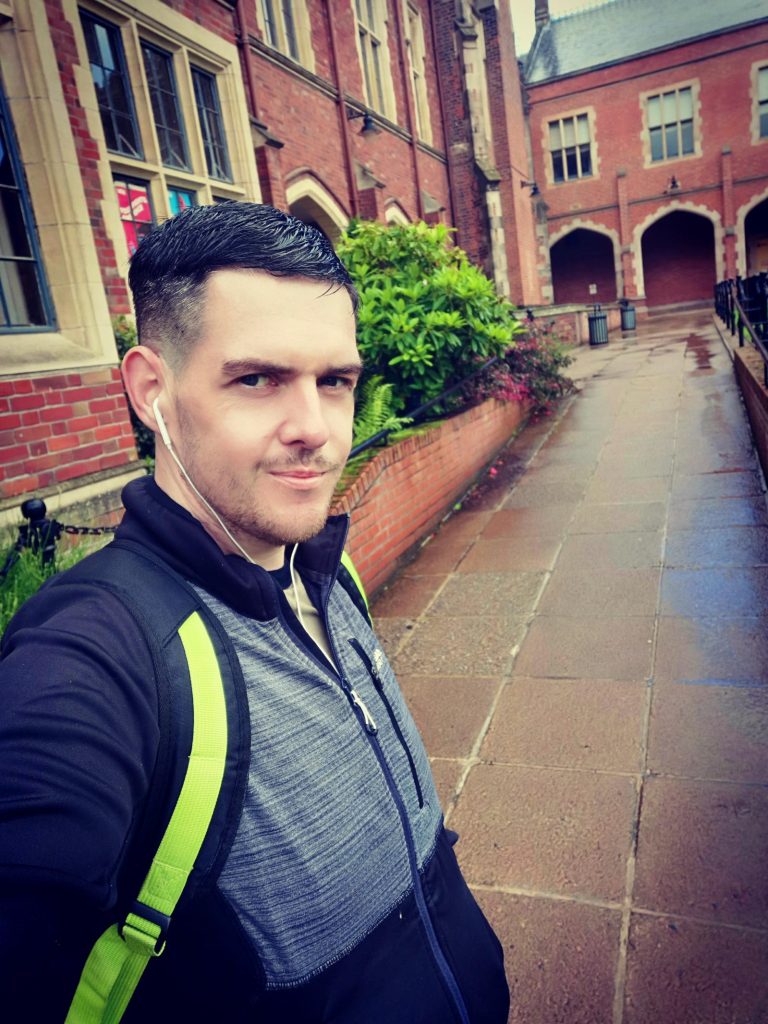
Peter Farrelly is a History PhD Candidate at Queen’s University Belfast, specializing in the intricate landscape of Modern British History. His research delves into Local Government Finance, the transformative era of Thatcherism, and the complexities of Policy Development. Beyond his core focus, Peter has contributed insightful work on Irish History and the evolution of Climate Change policy during Thatcher’s Britain. His experience extends to the classroom, where he has led university tutorials exploring themes of Race, Slavery, and Colonialism. As the owner of TheUnchartedPast and a dynamic content creator, Peter connects with over 250,000 followers, sharing his passion for history with a broad audience.
Contributors to TheUnchartedPast:
Alison Martin
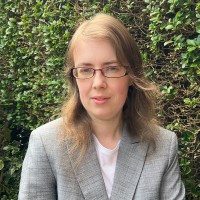
Alison Martin is a writer and historian from Belfast. She earned a degree in Modern History and Theology from Queen’s University Belfast, followed by an MA in Irish History. Her research focuses on the Irish revolutionary period (1916-1923). Alison’s articles have been published in History Ireland, the Irish News, Saothar and the Irish Story website. She also contributes occasionally to Ireland’s Own magazine. Alison has delivered talks for a number of institutions, such as the National Library of Ireland. Last year, she also took part in a panel at the Kennedy Summer School in New Ross, County Wexford. Follow her on twitter @a_martin33 for updates on her work.
Peter Paccione
Peter Paccione is an independent researcher specializing in comparative history and the political and constitutional history of Britain and France. He holds a BA in History from the College of Staten Island CUNY and an MA from New York University, and has undertaken graduate study at the University of Virginia. He is also a former staff member of the Princeton University Library. Follow him on BlueSky – @historian1661.bsky.social
Dylan Aunger
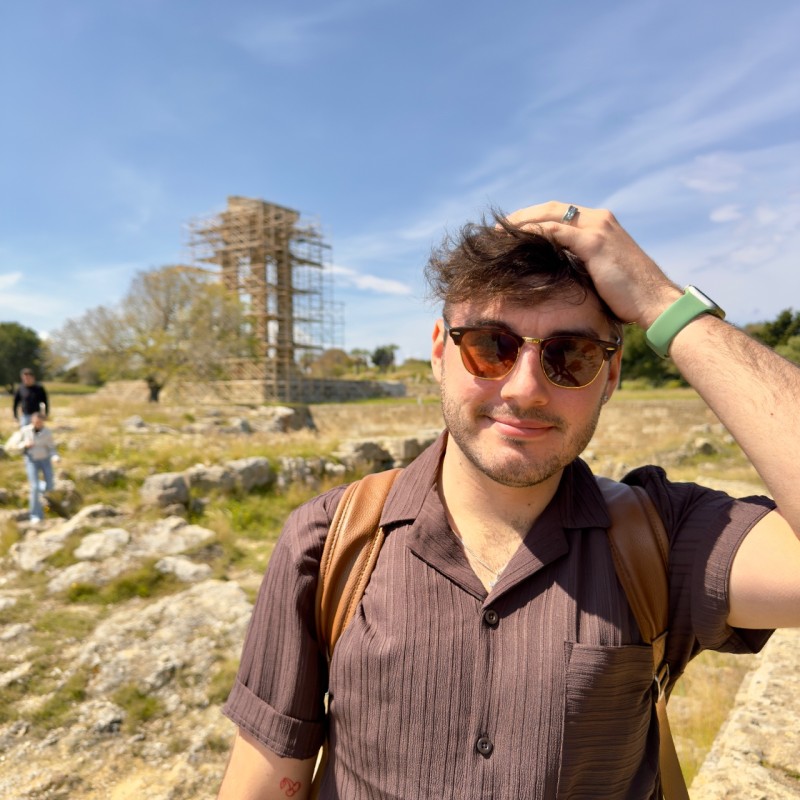
Dylan Aunger is a modern historian specialising in Nazi Germany and the 20th-century experiences of the Roma and Sinti. Educated at Canterbury Christ Church University, his research delves into the histories of racial policy, marginalisation, and state violence. His work meticulously traces the legal and social restrictions faced by Roma and Sinti communities, from their origins and migrations to the intensified persecution under the Nazi regime. He is the author of The Roma and Sinti: A Forgotten Holocaust, a crucial work dedicated to illuminating this often-neglected aspect of Holocaust history and challenging conventional narratives of Europe’s past.
George Moncaster
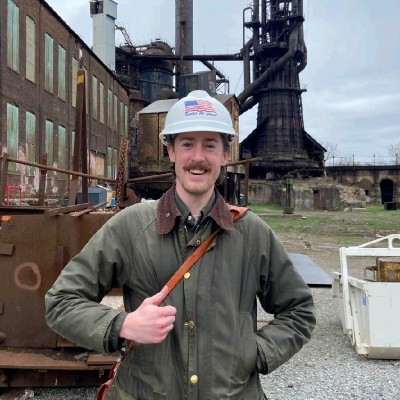
George Moncaster is a public and environmental historian who holds a Master’s degree in History from Colorado State University as well as a BA in American Studies from the University of Hull. He is the author of a contracted administrative history titled A Tale of Two Counties: Transregional Planning and the Poudre River Trail and has reviewed public lands literature for H-NET. Most recently, George wrote a biography of Congressman Al Swift on commission for the Washington State Historical Society, and produced Damming the Deschutes: An Archaeological History of Oregon’s Central River. His main interest include river politics, dam removal, and energy studies.
Andie Kristina
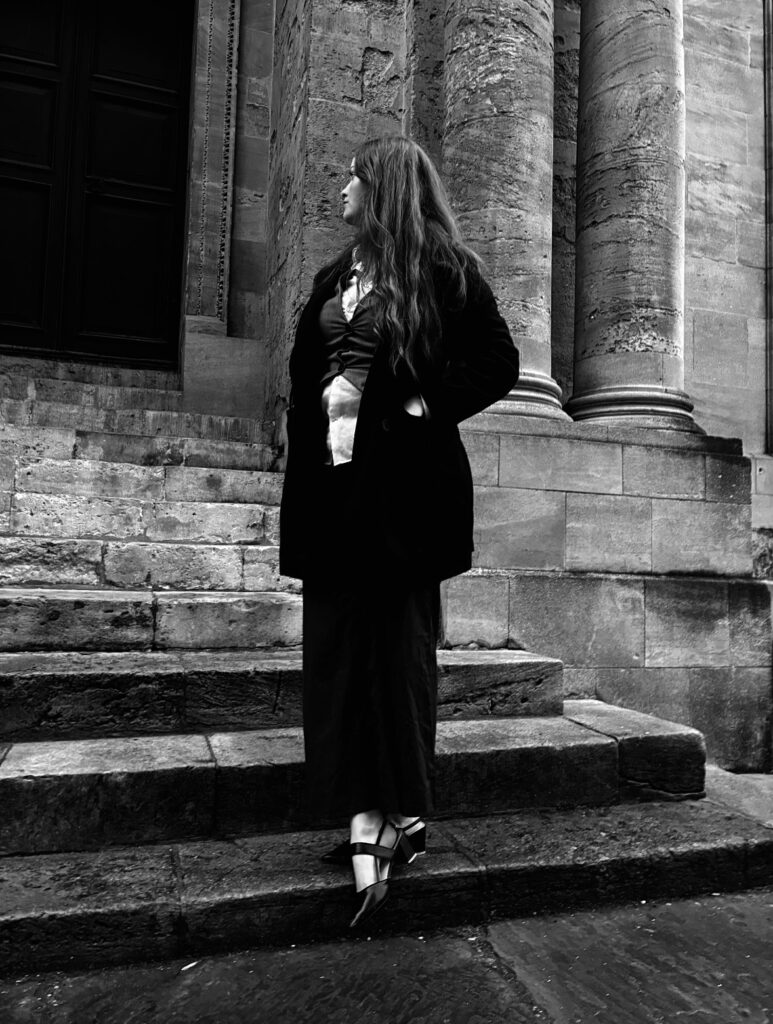
Andie Kristina is a poet, teacher, and doctoral researcher at Loughborough University. Her PhD examines the ‘various and conflicting selves’ that surface in Louis MacNeice’s poetry through personal experience, shifting environments, and literary culture. She is also the founder of Louis MacNeice Society, an organisation that attracts over 10,000 monthly visitors and collaborates with artists and scholars—some of whose work has aired on BBC Radio. As an educator, Andie teaches literature and language courses, consistently secures outstanding results, and helps students gain entry to the UK’s top independent schools and universities. Her writings appear in respected publications such as PN Review, and her research is dedicated to amplifying underrepresented voices and offering nuanced critical perspectives.
Sam Dobbie
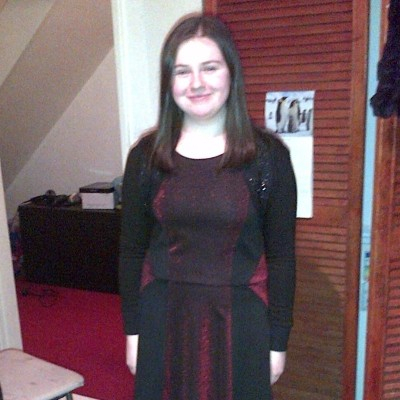
Sam Dobbie is a PhD graduate from the University of Glasgow. She specialises in women in revolutionary Paris and her thesis was entitled, Women’s Political Agency in Revolutionary Paris, 1789-1793. Her broader interests include France in the long nineteenth century and revolution as a process. Sam has recently taught on the levels 1 and 2 history courses at Glasgow Caledonian University, and she is a tutor for Continuing Education at the University of Liverpool and Lifelong Learning Dundee.
Constantin Torve
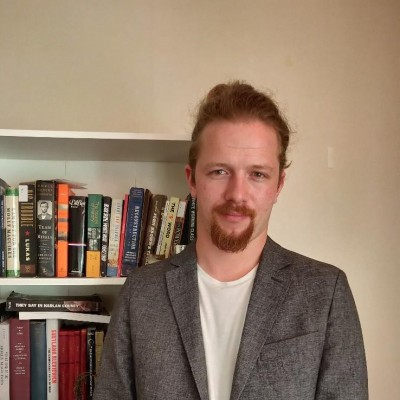
Constantin Torve is a PhD student in History at Queen’s University Belfast. His research focuses on agrarian protest, labour conflict, and migration within Ireland and the global Irish diaspora, with particular emphasis on class formation, spatiality, and digital humanities methodologies. He has published several peer-reviewed articles on these issues, as well as a primary source edition
Dr Elizabeth Tunstall
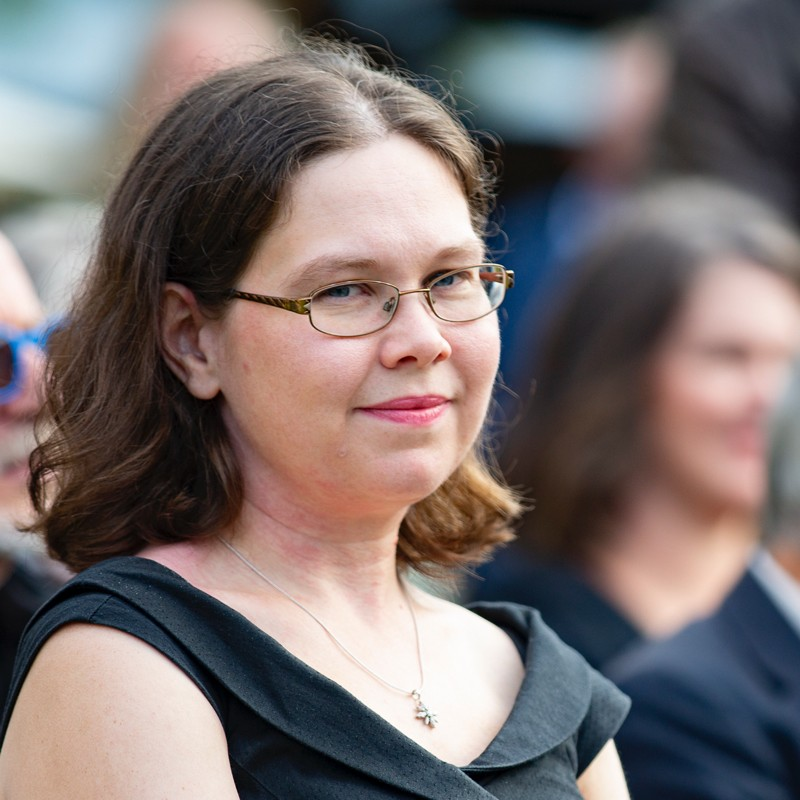
Dr Elizabeth Tunstall is a visiting Research Fellow at the Adelaide University and a historian of early modern Britain, monarchy, queenship, and art. Elizabeth is the author of The Succession Debate and Contested Authority in Elizabethan England, 1558–1603, published by Palgrave Macmillan in its Queenship and Power series. Her work explores the politics of Elizabeth I’s reign, Anglo-Scottish diplomacy, succession, royal authority, Parliament, and the language of power. Alongside her academic publications, Elizabeth has brought Tudor history to wider audiences through BBC History Magazine, History Today, Smithsonian Magazine, and the Art Gallery of South Australia.
 English